
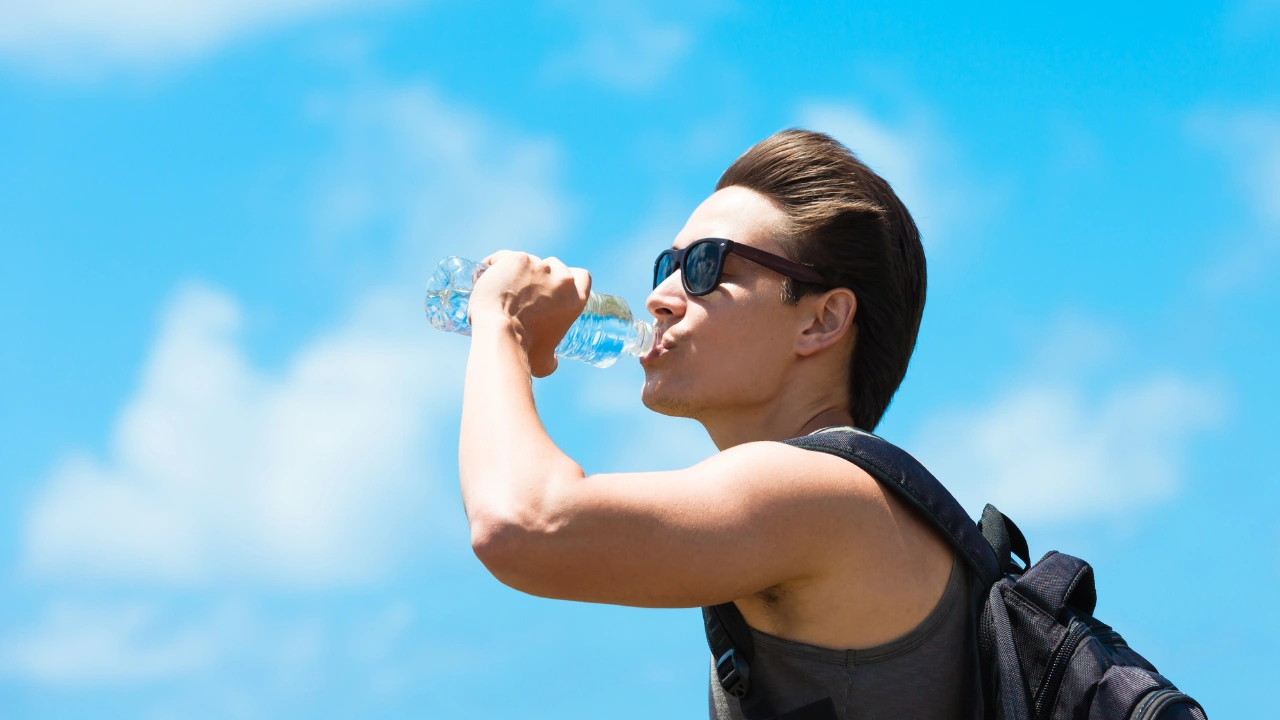
Staying hydrated is essential for maintaining overall health and well-being. Water plays a crucial role in regulating body temperature, supporting digestion, transporting nutrients, and flushing out toxins.
Despite its importance, many people do not drink enough water throughout the day, which can lead to dehydration and various health issues.
The amount of water needed varies depending on several factors, including age, activity level, climate, and overall health.
Table of Contents
General Recommendations for Water Intake
The National Academies of Sciences, Engineering, and Medicine provides general guidelines for daily water intake:
- Men: Approximately 3.7 liters (125 oz or ~15.5 cups) per day
- Women: Approximately 2.7 liters (91 oz or ~11.5 cups) per day
This total includes fluids from all beverages and food sources, as about 20% of daily water intake comes from food.
Factors That Influence Hydration Needs
Physical Activity
Individuals who engage in regular exercise or strenuous physical activity require more water to compensate for fluid loss through sweating. The intensity and duration of exercise play a key role in determining additional water needs.
It is recommended to drink an extra 400-600 milliliters (14-21 ounces) of water for moderate exercise, while endurance athletes or those exercising in extreme conditions may need even more. Drinking electrolyte-enhanced fluids can help replace lost minerals.
Climate and Environment
Hot, humid, or high-altitude environments accelerate fluid loss through sweating and respiration.
In hotter climates, the body sweats more to regulate temperature, increasing water requirements.
Similarly, high-altitude locations lead to increased urination and faster breathing rates, both of which contribute to dehydration.
It is important to increase water intake accordingly when exposed to these environmental conditions.
Health Conditions and Medications
Certain medical conditions can impact hydration levels. Fever, vomiting, diarrhea, and infections cause excessive fluid loss, requiring increased water consumption to replenish lost fluids. Chronic conditions such as kidney disease, diabetes, and heart disease can also influence hydration needs.
Additionally, some medications, including diuretics, antihistamines, and certain blood pressure medications, may increase urine output or cause dry mouth, necessitating higher water intake.
Pregnancy and Breastfeeding
Hydration needs increase during pregnancy and breastfeeding due to the additional fluid requirements for fetal development and milk production. Pregnant women are advised to consume approximately 3 liters (101 ounces) of fluids per day, while breastfeeding mothers require even more—up to 3.8 liters (128 ounces) daily—to maintain milk supply and support both their own hydration and that of their infant.
Age and Body Composition
Hydration needs change throughout different life stages. Older adults may have a reduced sensation of thirst, putting them at risk of dehydration if they do not consciously drink enough fluids.
Children, on the other hand, have higher water needs relative to body weight and may require encouragement to drink water regularly, especially during play or physical activity.
Diet and Caffeine/Alcohol Consumption
A diet high in salty, spicy, or processed foods may increase water needs to balance sodium levels.
Caffeinated and alcoholic beverages can have a diuretic effect, leading to increased fluid loss. While moderate consumption of caffeine does not significantly dehydrate the body, excessive intake should be balanced with additional water.
Signs of Dehydration
Dehydration can negatively impact physical and mental performance. Common symptoms include:
- Dry mouth and lips
- Dark yellow urine or infrequent urination
- Fatigue and dizziness
- Headaches
- Difficulty concentrating
Severe dehydration requires medical attention, as it can lead to complications such as kidney problems and heat-related illnesses.
Practical Tips for Staying Hydrated
- Carry a Water Bottle: Keeping a reusable water bottle nearby makes it easier to drink throughout the day.
- Set Hydration Goals: Track water intake using an app or journal to ensure adequate consumption.
- Eat Hydrating Foods: Fruits and vegetables like watermelon, cucumbers, oranges, and strawberries have high water content.
- Drink Water Before Meals: This can help meet hydration needs while also supporting digestion and satiety.
- Monitor Urine Color: Light yellow urine generally indicates proper hydration, while darker urine suggests a need for more fluids.
Conclusion
Water is a fundamental component of health, and adequate hydration is necessary for optimal bodily function. While general guidelines exist, individual hydration needs vary based on lifestyle and environmental factors. By staying mindful of fluid intake and recognizing signs of dehydration, you can maintain proper hydration and support overall well-being.